
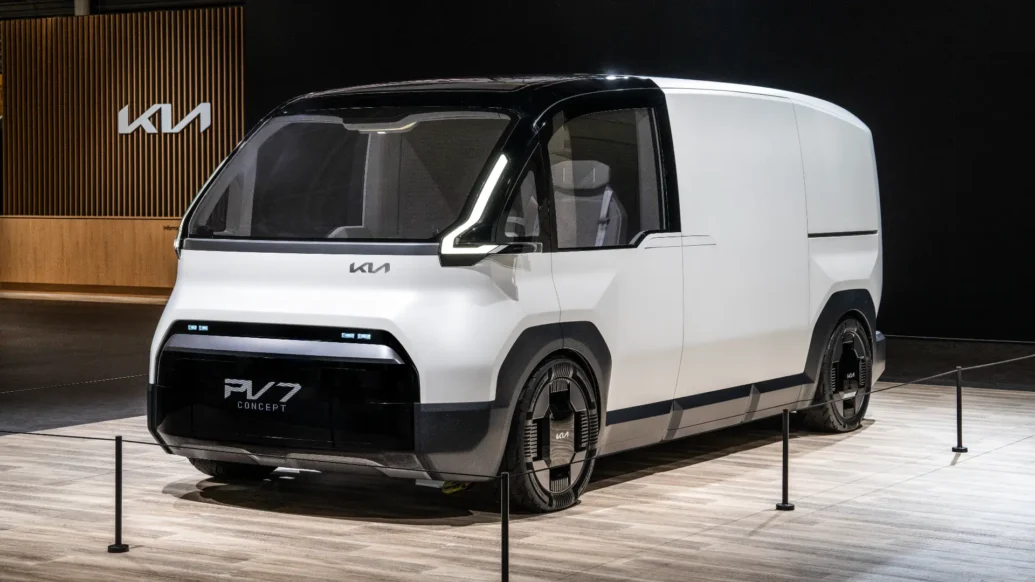
Kia has set out a clearer long-term roadmap for its PBV (or LCV) business, confirming that the PV7 will join the existing PV5 in 2027, and the larger PV9 will follow in 2029, as part of a wider plan to grow its presence in the electric van market.
The details were revealed during Kia’s 2026 CEO Investor Day, where the company outlined its global business targets through to 2030. Among them was a goal of selling 232,000 PBV models a year by the end of the decade, with Europe and Korea identified as the core markets for the range.
Kia is still treating PBV as a major part of its future plans rather than a niche sideline. The PV5 is already leading the charge, with particularly strong sales in the UK, but Kia is now putting firmer timing around the models that will sit above it.
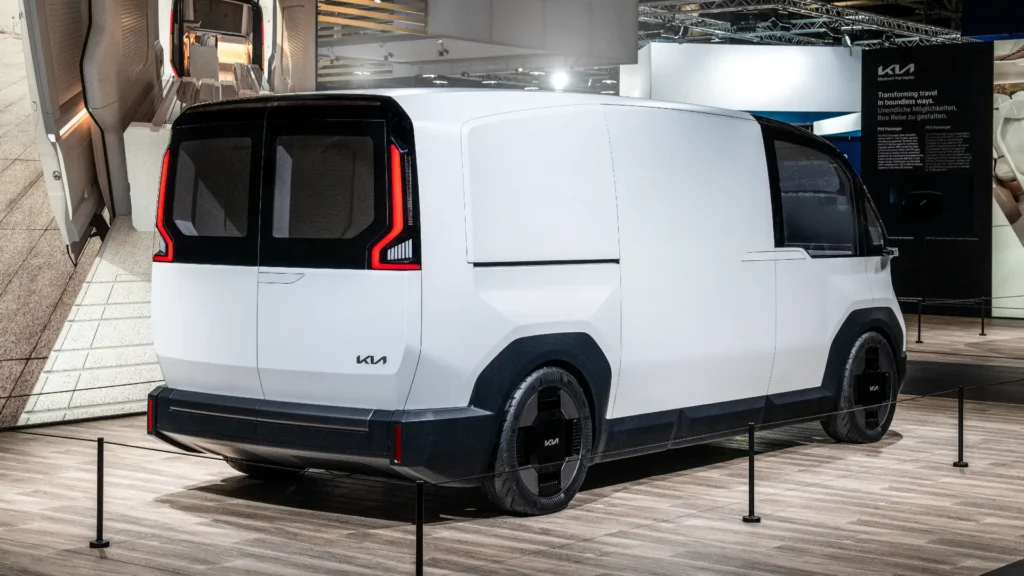
The full PBV line-up will consist of the PV5, PV7 and PV9, giving Kia a three-model range aimed at covering a broad spread of light commercial requirements.
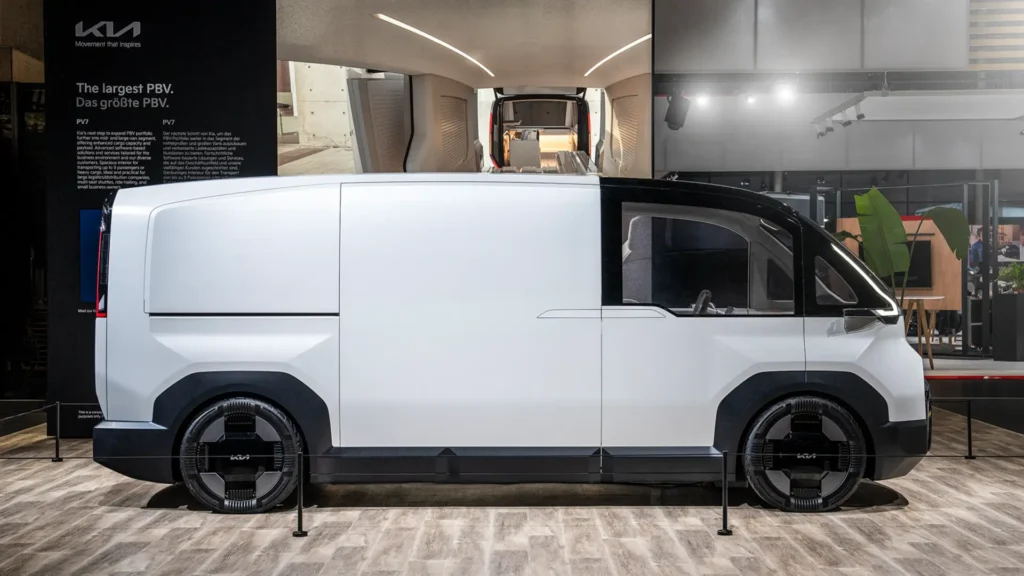
Kia targets 54,000 PV5 sales this year
Kia said the PV5 recorded around 8,500 sales by the end of last year and that it is now targeting annual global sales of 54,000 units in 2026. That will make it the foundation of the PBV business in the short term, before the larger PV7 and PV9 arrive over the next few years.
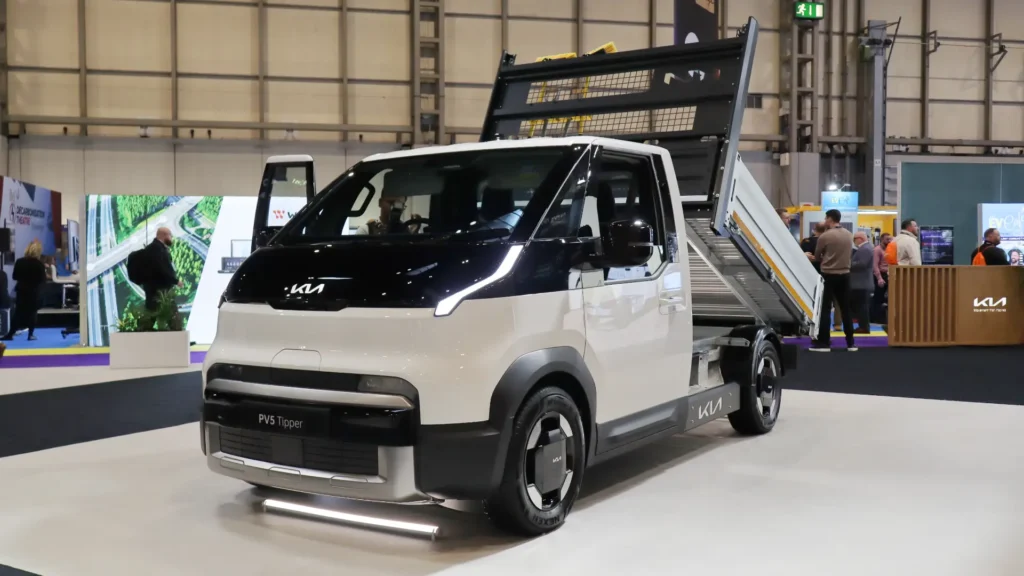
The company also used the investor presentation to underline just how broad the PBV family is expected to become. Kia says it plans to offer more than 40 body types across the PBV range, aiming to provide customer-specific solutions for a wide range of industries and applications.
That approach is already visible with the PV5. The van is now offered in Passenger, Cargo and Chassis Cab base versions, while conversion models will include Crew, Drop Side, Box Van and Freezer Box variants, alongside camper-focused versions.
Europe at the centre of Kia’s PBV van plans
Kia’s decision to name Europe as one of its core PBV markets is also significant, showing that the company sees the region as central to the programme’s success, rather than merely one part of a global EV push.
That will be of particular interest in the UK, where the brand has quickly built its presence in the van sector with the PV5 before expanding the range further. The European market is one of the most competitive for light commercials, and also one of the most challenging for new entrants, particularly when their offering is electric-only.
Kia believes it can stand out not just through its vehicles, but also through the wider business model built around them. As part of its PBV strategy, the firm says it will support the range with dedicated PBV dealerships, specialist staff, fleet management tools, a one-billing platform combining services such as finance and charging, and 24/7 support and maintenance.
That reflects Kia’s attempt to present PBV as a complete business solution rather than simply a new badge on the front of an electric van.
Electric-only vans sit alongside wider Kia flexibility
One interesting point buried in the wider investor presentation is that Kia is taking a far more flexible view of powertrains elsewhere in its business. Alongside its EV expansion, the company also confirmed plans to launch nine new ICE models by 2030 and grow its hybrid line-up to 13 models, with hybrid sales targeted at 1.1 million a year by the end of the decade.
That makes PBV stand out even more, because Kia’s van strategy remains firmly electric-only. While that fits with the company’s broader future-facing messaging, it also puts pressure on Kia to convince fleets that an EV-only commercial line-up can match the real-world needs of operators in a market where diesel still dominates many parts of the sector.

- Electric van registrations surge 58% in record October as LCV market grows again - 10 November 2026
- Myerscough College Daily 4×4 wins 2026 Iveco Mission Awards - 9 November 2026
- Van tyre advisories double risk of dangerous defect at next MOT - 5 November 2026