
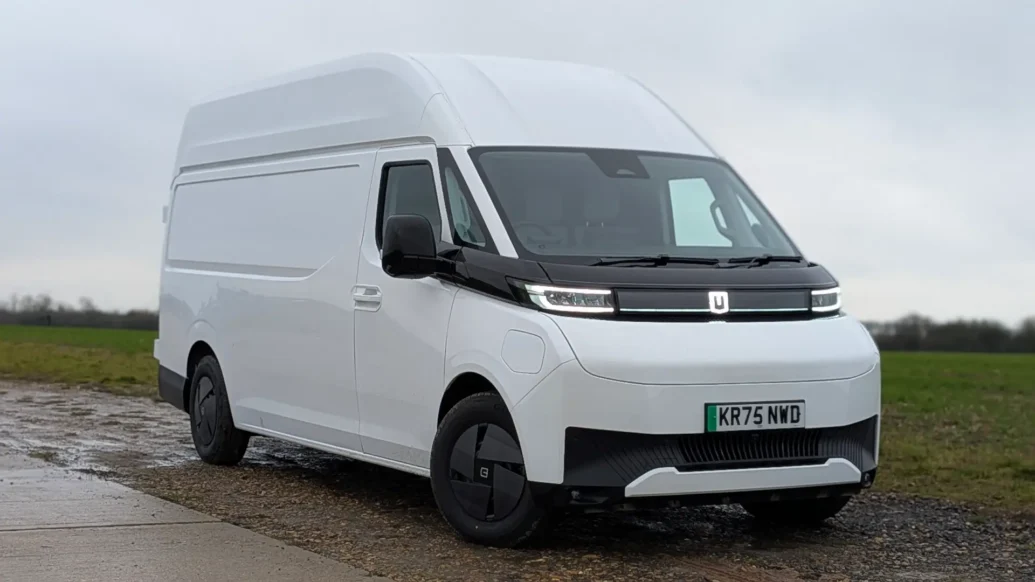
Farizon might be a new name to most van buyers, with the SV being the manufacturer’s first foray into the UK, but it isn’t arriving without serious backing. The commercial vehicle specialist is part of the Geely group, the corporate behemoth behind Volvo, Polestar, Lotus, LEVC, and Smart.
Farizon is being rather more ambitious with the SV than simply producing another electric alternative to an established diesel van. The SV has been designed from the outset as an EV, with a dedicated platform, three battery sizes and a range of body configurations that stretch from the upper end of the medium van sector into full-size van territory.
That means the smallest versions compete with models such as the Ford E-Transit Custom and Vauxhall Vivaro Electric, while the largest offer load volumes closer to the Renault Master E-Tech and Ford E-Transit.
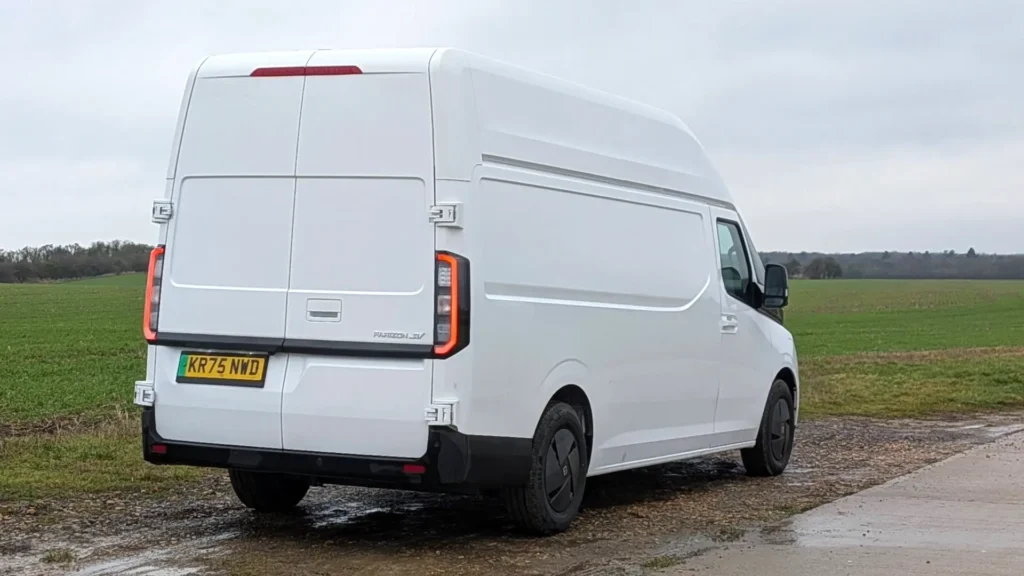
There’s plenty to attract attention, including strong payload figures, a two-tonne towing capacity, generous standard equipment and an onboard payload monitoring system. However, Farizon still has to persuade customers to trust an unfamiliar badge, a limited but developing dealer network, and prices that put it firmly among established rivals.
The SV talks a very convincing game, then. The harder question is whether it does enough to justify taking a chance on something new.
Pros
+ Strong payload and towing capacity
+ Comfortable and easy to drive
+ Broad choice of body and battery options
Cons
– Cheap-feeling cab with poor storage
– Intrusive driver-assistance warnings
– Ambitious pricing and limited dealer support
Farizon SV: Interior
The Farizon SV’s cab makes a strong first impression. It looks modern, the dashboard is neatly laid out, and the standard equipment list is more generous than you’ll find in many established rivals.
Every version comes with a 12.0-inch central touchscreen, a digital instrument display, automatic climate control, a heated and ventilated driver’s seat, a heated windscreen and a heated steering wheel. Happily, there are also physical controls for the main heating and ventilation functions, which makes basic adjustments less distracting than burying everything in the touchscreen.
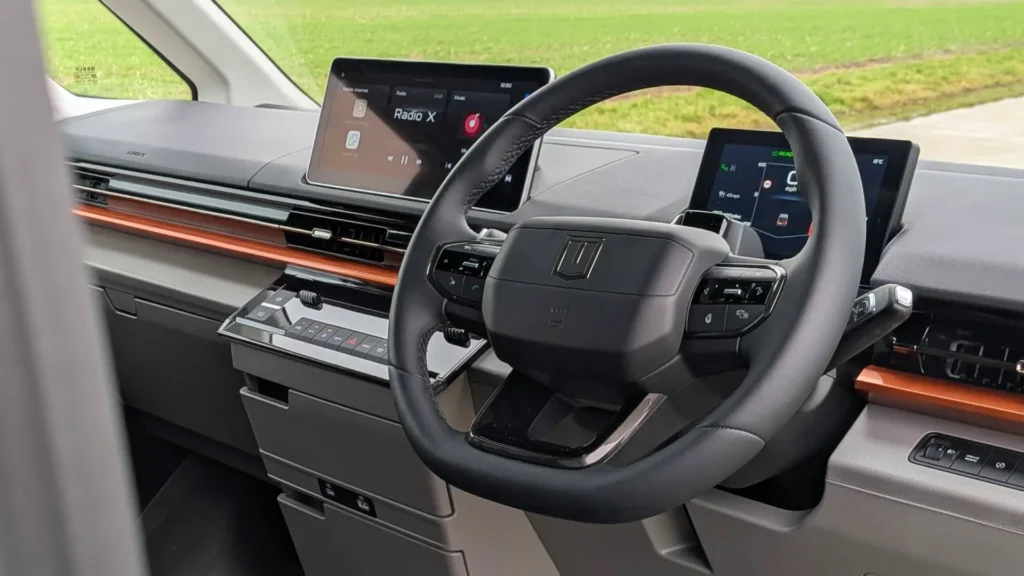
The infotainment system is clear and reasonably responsive, with Apple CarPlay and Android Auto helping to bypass some of Farizon’s less intuitive menus. However, the driver-assistance systems are overly enthusiastic, producing frequent warnings and chimes that quickly become tiresome.
The driving position is comfortable enough, too, with a relatively low step-in height, plenty of headroom and good forward visibility. The steering wheel only adjusts for height rather than reach, though, so some drivers may struggle to find an entirely natural position.
It’s when you start looking more closely that the SV loses some of its initial shine. Many of the plastics feel thin and cheap, particularly around the centre console and door trims, and the overall finish lacks the solid, quality feel of a Ford E-Transit Custom or Volkswagen e-Transporter.
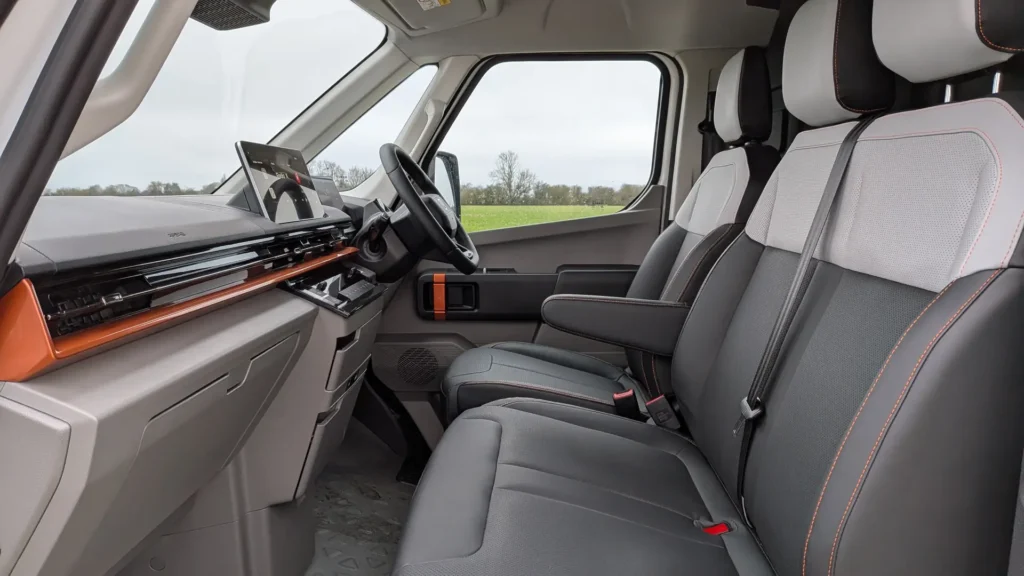
Cab storage is also disappointing. There are a few small bins and cubbies, but nowhere especially useful for paperwork, a laptop or other valuables. The lack of proper fixed cupholders is particularly irritating in a working van. Instead, there’s a pull-out tray beneath the touchscreen, but it feels flimsy, intrudes into the centre passenger’s legroom and doesn’t inspire much confidence with a full cup of coffee on board.
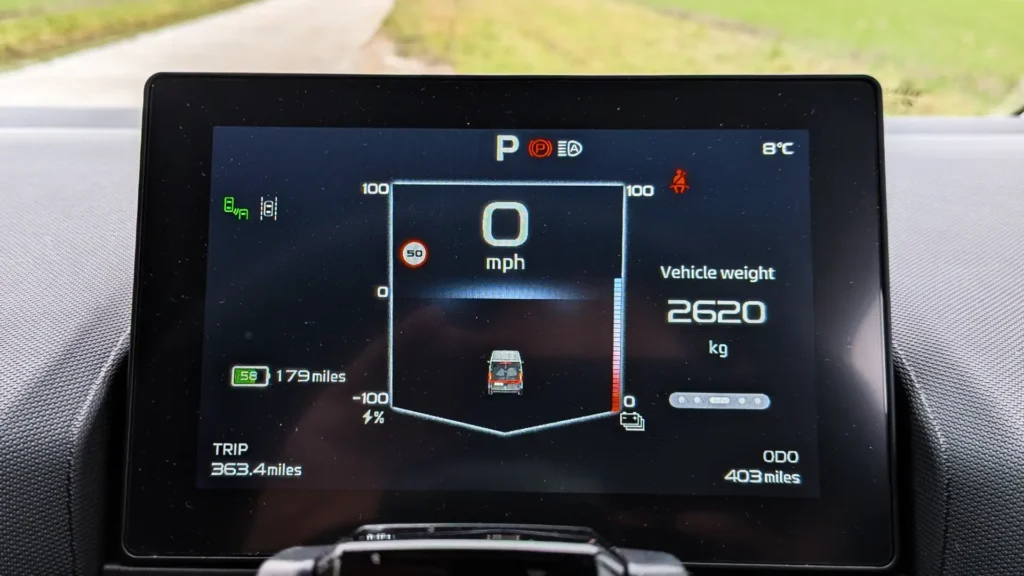
One genuinely useful feature is the standard payload monitoring display. It provides a live estimate of the van’s weight on the digital instrument panel, helping drivers judge whether they’re approaching the legal limit. It isn’t accurate enough to replace a weighbridge, but it’s a clever and potentially licence-saving addition.
Farizon SV: On the road
Every Farizon SV uses the same front-mounted electric motor, producing 228hp and 336Nm of torque. That makes it one of the more powerful electric vans in its class — the Ford E-Transit Custom offers 136hp or 218hp options in non-sporty models, the larger Renault Master E-Tech makes do with 142hp, and the Vauxhall Vivaro Electric has just 136hp.
Despite that, the performance feels brisk rather than dramatic. Farizon quotes a 0–62mph time of around 12 seconds, but the more important point is that the SV rarely feels short of power. There’s enough immediate response to pull confidently into fast-moving traffic, and it continues to make decent progress on A-roads and motorways, even with a substantial load in the back.
Three driving modes — predictably called Eco, Normal and Sport — adjust the throttle response and steering weight. Eco noticeably softens the acceleration, while Sport makes the SV feel sharper without turning it into anything remotely unruly. The regenerative braking can also be altered, although even its strongest setting stops short of allowing true one-pedal driving.
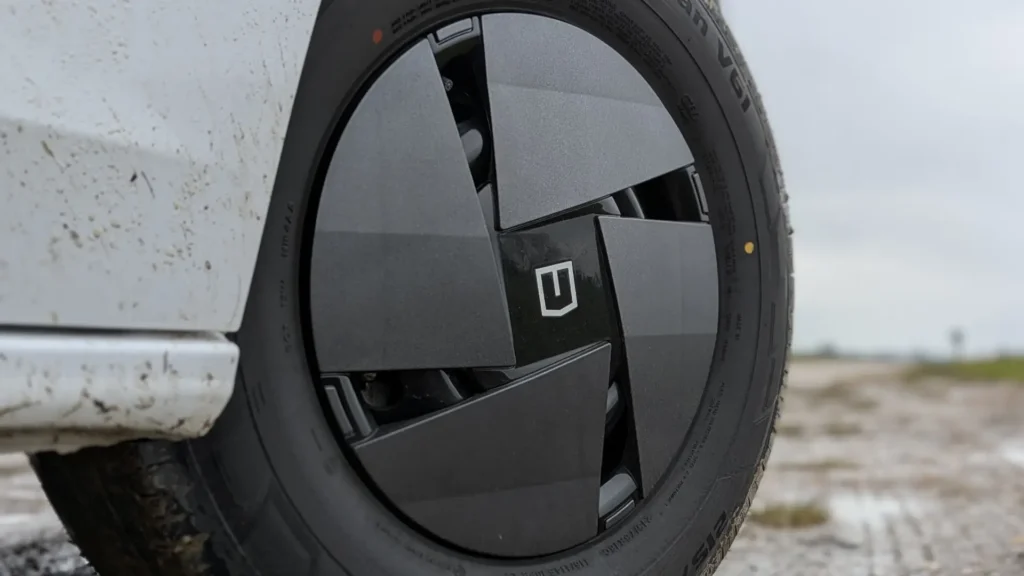
So far, so conventional. But the SV is the first van sold in the UK to use both steer-by-wire and brake-by-wire systems, which theoretically gave the engineering team enormous freedom to tune the controls as it wished. I won’t say it’s a missed opportunity, as both the steering and brakes operate in a reassuringly conventional way, but there’s a sense that more could have been done.
The steering is light enough for easy low-speed manoeuvring and gains some useful weight as speeds rise, although it doesn’t offer much feedback. The brake pedal is also easy to modulate, with a more consistent feel than some electric vans manage when blending regenerative and conventional braking.
Ride comfort is one of the SV’s stronger qualities. Its dedicated electric platform places the battery low in the chassis, helping to keep the van more settled and reducing body roll through bends. It deals well with broken surfaces, speed humps and motorway expansion joints, while wind and road noise are reasonably well contained for a vehicle of this size.
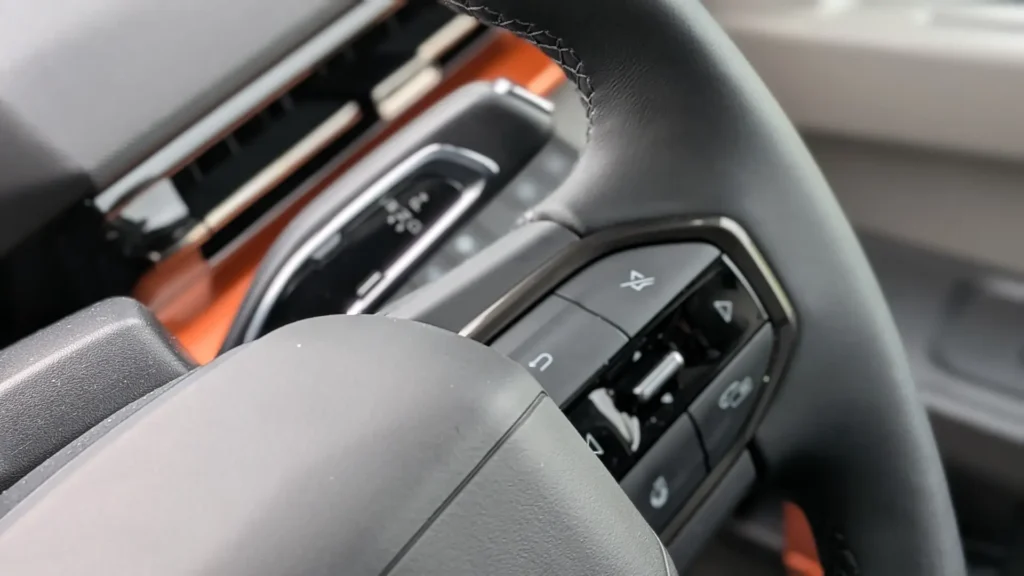
The main irritation comes from the driver-assistance systems. Their warnings are frequent, loud and not always obvious in purpose, which chips away at what is otherwise a relaxed and easy-going driving experience.
It isn’t especially engaging, but that’s unlikely to matter to most operators. The SV feels stable, comfortable and pleasantly straightforward to drive, which should make the transition from a diesel van relatively painless.
Farizon SV: Payload, practicality and towing
The Farizon SV’s biggest advantage is the breadth of the range. There are three body lengths, three roof heights and five main configurations, with load volumes stretching from around 7.0m3 to 13.0m3.
That puts the smallest versions at the top end of the medium van class, going up against the likes of the Ford E-Transit Custom and Vauxhall Vivaro Electric, while the largest move firmly into full-size van territory to compete with the Ford E-Transit and Citroen E-Relay. For operators trying to avoid buying more van than they need, that spread of sizes gives the SV a useful degree of flexibility.
Payload capacity is strong, ranging from 1,035kg to 1,350kg depending on body style and battery choice, which is helpfully more than you’ll carry in an equivalent Ford E-Transit — although the Ford does extend beyond 3.5 tonnes GVW, allowing for payloads up to 1,625kg.
Payload capacity is strong, ranging from 1,035kg to 1,350kg depending on body style and battery choice. That beats comparable 3.5-tonne versions of the Ford E-Transit, although heavier E-Transit 4.25t models can carry up to 1,625kg.
As ever with an electric van, the larger battery packs eat into carrying capacity, so the model with the longest range won’t be the best choice for operators regularly running close to the weight limit.
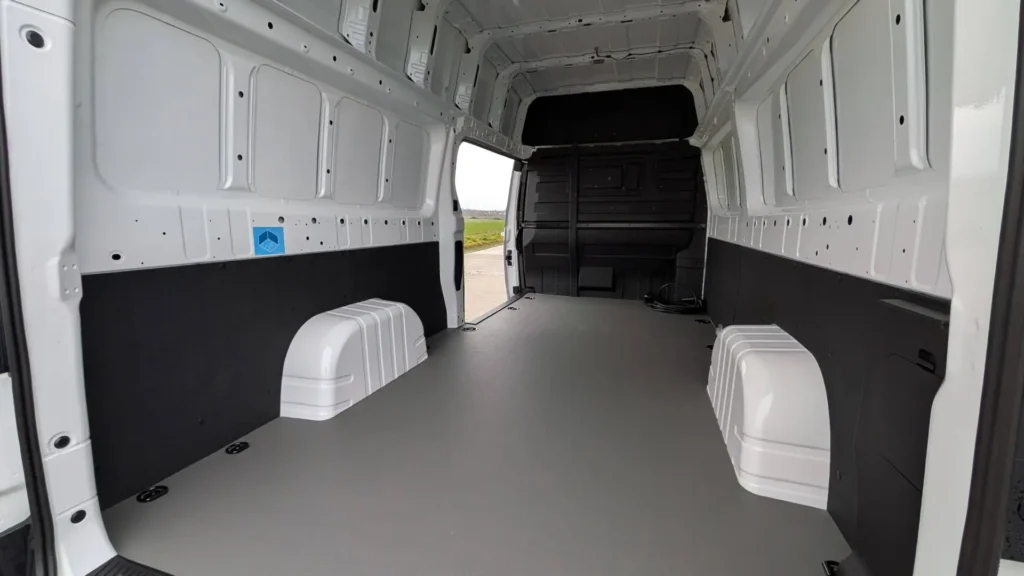
Access to the load area is good. The floor sits around 550mm from the ground, reducing the effort needed when lifting heavier items, while the wide sliding side door makes kerbside loading straightforward. The passenger-side opening is especially broad thanks to the absence of a conventional B-pillar — or at least it would be if there wasn’t a requirement for a fixed bulkhead, meaning panel van buyers won’t gain the full benefit of the design.
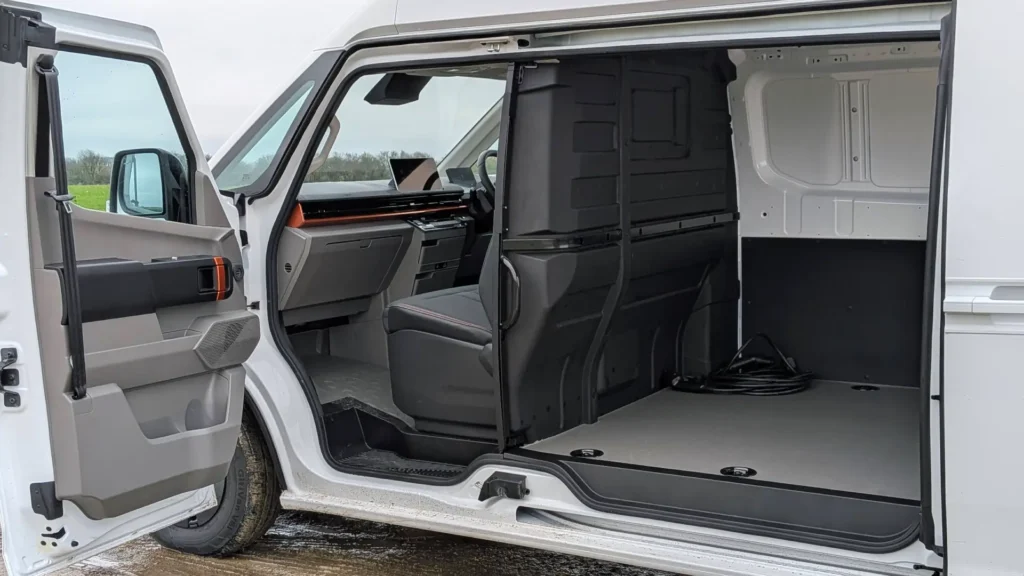
At the rear, twin doors open to 180 degrees as standard, with 270-degree hinges available as an option. Tie-down points are fitted into the floor, and the load bay is pre-drilled to make installing racking or shelving easier.
The standard payload monitoring system is one of the SV’s most useful features. Using ride-height sensors, it provides a live estimate of the van’s weight through the driver display, giving operators an early warning when they’re approaching the legal limit. It’s best treated as a guide rather than a substitute for a weighbridge, but it could still help prevent an expensive overloading mistake.
All versions are rated to tow up to two tonnes. That’s a strong figure for an electric van and gives the SV more flexibility than many rivals, although towing will inevitably have a significant effect on range.
| Kerb weight | 2,465 kg | Load bay length | 3,695 mm |
| Gross vehicle weight | 3,500 kg | Load bay width | 1,795 mm |
| Payload | 1,035 kg | Load bay height | 1,910 mm |
| Gross train weight | 5,500 kg | Load bay capacity | 13 m3 |
| Towing capacity (braked) | 2,000 kg | Towing capacity (unbraked) | 750 kg |
Farizon SV: Economy and running costs
The Farizon SV is offered with three battery sizes, although availability depends on body style. The 67kWh and 83kWh packs use lithium iron phosphate (LFP) chemistry, while the largest 106kWh nickel manganese cobalt (NMC) battery is reserved for the biggest L3H3 model.
Official range runs from around 188 miles for the smaller battery to as much as 247 miles with the 106kWh pack, as we’re testing here. The mid-range 83kWh version is likely to be the most useful compromise, combining a respectable official range of up to 234 miles with the fastest charging speed in the line-up.
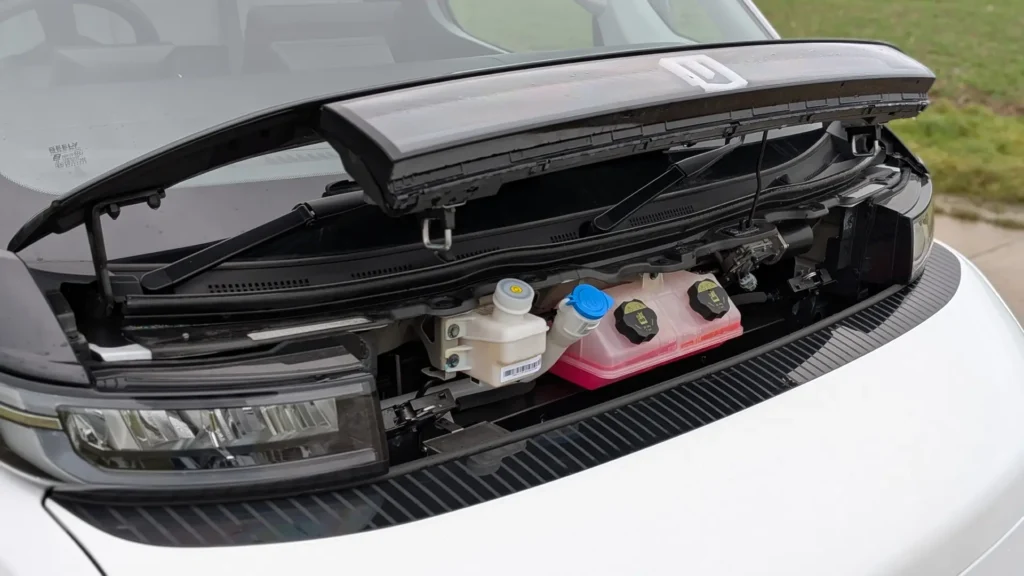
In mixed driving, expect efficiency of roughly 2.2–2.5 miles/kWh, depending on body size, payload, weather and speed. That should give an 83kWh SV a realistic working range of around 160–200 miles, although careful driving can produce considerably better results. On the Greenfleet EV Rally, we saw close to 4.0 miles/kWh from an L2H2 model — enough for a range of more than 300 miles — albeit in favourable conditions and with an economy-focused driving style.
The 83kWh battery can accept DC charging at up to 140kW, with Farizon quoting around 36 minutes for a 20–80% top-up. The 67kWh and 106kWh batteries are limited to 120kW, which will mean waiting a little longer to top up your van. The figures are competitive, though not class-leading.
Electricity costs will vary enormously according to where the van is charged. Operators with access to depot or home charging will be able to keep energy costs comfortably below those of a diesel van, while regular use of expensive public rapid chargers will quickly erode the saving.
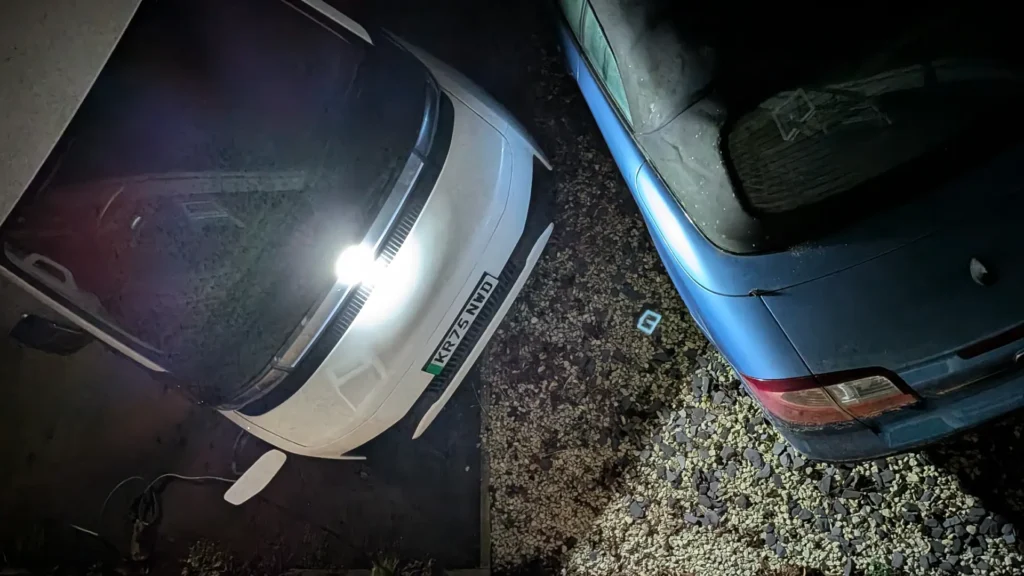
The Farizon logo on the grille lights up when charging, pulsating all the while it’s plugged in. It’s also surprisingly bright, so if you’re plugging in at home you might want to make sure it’s not facing a bedroom window. This is something that really needs an option to turn off!
Purchase prices are ambitious for an unfamiliar brand. The SV starts at around £45,000 plus VAT and OTR costs, and rises to £56,000. That means the SV is priced on a par with, or even above, some big-name rivals. Farizon fights back with a generous equipment list, but the manufacturer is asking buyers to value that specification more highly than badge familiarity, dealer coverage or proven resale values.
The warranty covers the van for four years or 120,000 miles, with the high-voltage battery covered for eight years or 120,000 miles. Servicing is required every 20,000 miles, and Farizon supplements its small dealer network with AA-backed mobile servicing and repair support.
That should offer some reassurance, but residual values and long-term parts support remain unknown. The SV could be inexpensive to run once it’s on the road, but buying one still requires more confidence than choosing an established rival.
Farizon SV: Verdict
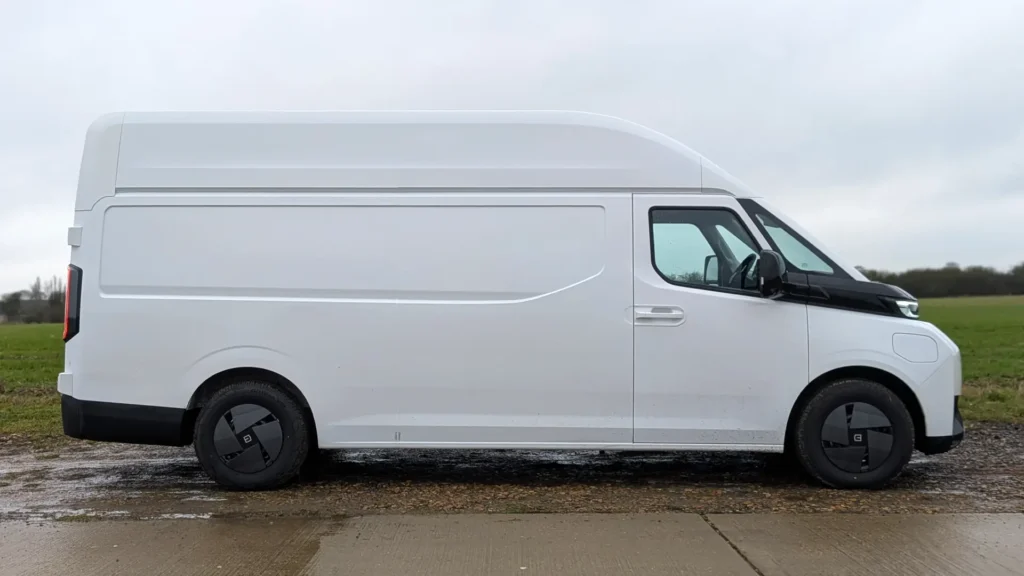
The Farizon SV is a convincing first attempt at an electric van. It’s comfortable to drive, offers strong payload and towing figures, and covers an unusually broad spread of body sizes. The standard equipment is generous, while features such as the live payload monitor show Farizon has thought seriously about how working vans are actually used.
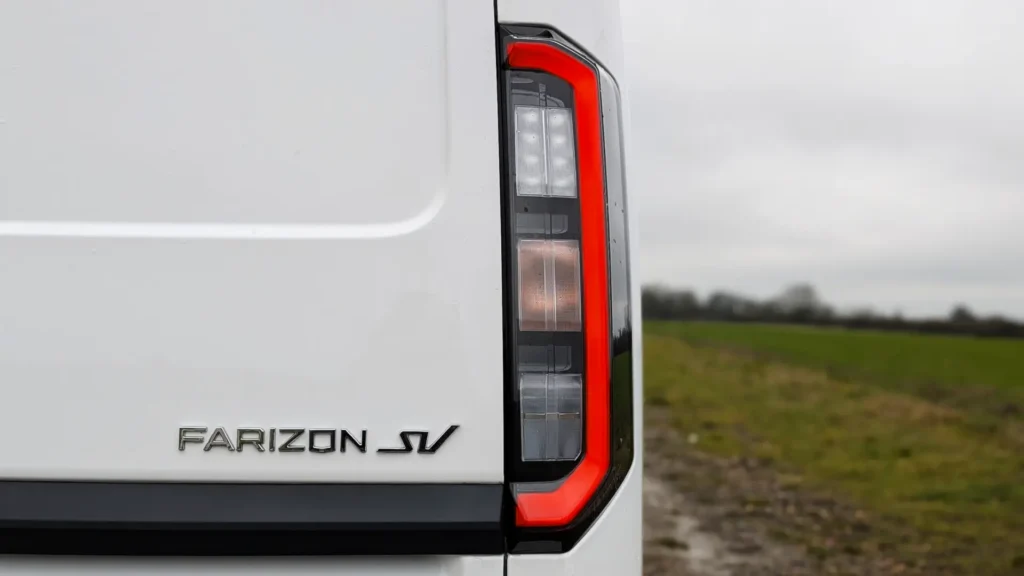
However, it isn’t without flaws. The cab feels cheaper than it first appears, storage is poor, the driver-assistance warnings are irritating, and the dealer network remains limited. Pricing is also ambitious.
Even so, the SV deserves to be taken seriously. It may not be the “Super Van” its name suggests, but for operators prepared to try something new, it’s a capable, practical and surprisingly polished electric van.
Model tested: Farizon SV L3H3 106kWh
Professional Van rating: ★★★★☆
| Basic price | £56,000 | OTR inc VAT | £68,545 |
| VAT | £11,200 | Range exc VAT | £45,000–£56000 |

- KGM gains new Stamford outlet as TC Harrison joins network - 27 August 2026
- Iveco eSuperJolly First Drive: Familiar van, different proposition - 13 August 2026
- Mercedes Vito Sport-X brings sporty makeover to Crew van range - 12 August 2026