
For anyone running a van or pickup for work, an MOT failure is rarely just an inconvenience. It can mean cancelled jobs, lost income, and an unexpected repair bill landing at the wrong moment. Yet despite modern vehicles being more reliable than ever, new analysis suggests most MOT failures still come down to the same basic issues year after year.
A new report from MoneySuperMarket , based on publicly available MOT records from the Driver and Vehicle Standards Agency, has analysed more than 20 years of test results to reveal why UK vans fail their MOTs – and which models are most and least likely to pass.
Behind the marketing headlines, the data offers some genuinely useful lessons for working drivers.
Most MOT failures are still simple, preventable faults
Across all van models, the single most common reason for MOT failure is handbrake efficiency falling below the required standard. In fact, variations of handbrake-related faults account for millions of failures over the past two decades.
After that, the pattern becomes familiar territory for anyone who’s ever rushed an MOT booking:
- Registration plate lamps not working
- Windscreen wipers failing to clear the screen properly
- Washer systems not delivering enough fluid
- Tyres worn below the legal 1.6mm tread depth
None of these is a complex mechanical issue, and none is particularly expensive if caught early. The problem is that many go unnoticed in day-to-day use – especially handbrake wear, which can be masked if a vehicle is usually parked on flat ground, left in gear, or, in the case of an automatic, left in park.
The takeaway is clear. Most MOT failures aren’t the result of catastrophic breakdowns, but of basic maintenance being overlooked on busy working vehicles.
Which vans are most likely to fail their MOT?
Based on models with more than 10,000 MOT tests since 2005, the analysis shows a clear group of vans with higher-than-average failure rates.
At the top of the list sits the Nissan Primastar, followed closely by the Fiat Scudo and now-discontinued Vauxhall Astravan.
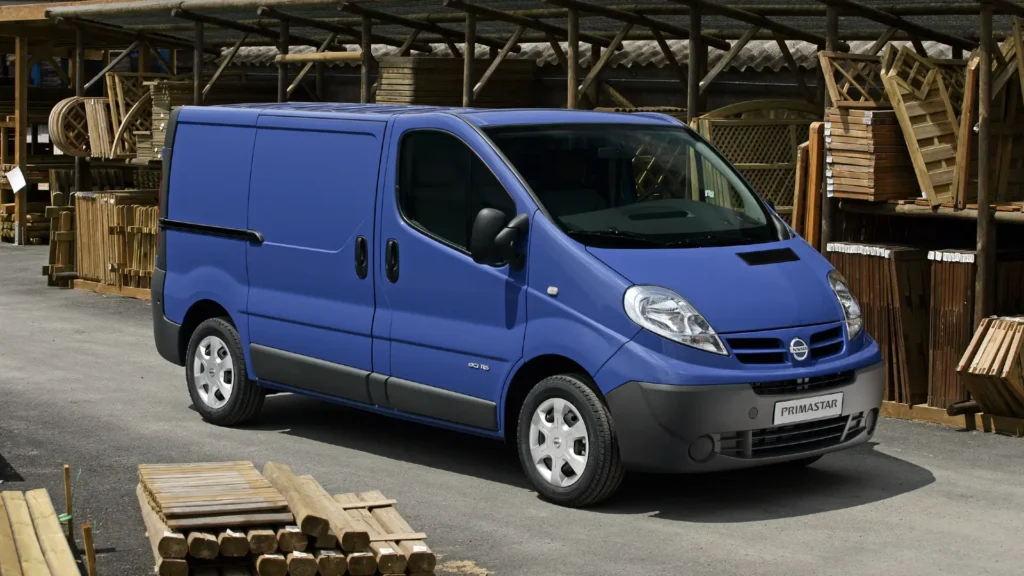
However, context matters. These are models that have historically been popular with fleets, worked hard, and kept on the road well into old age. Higher failure rates don’t necessarily point to poor design, but to how these vans are typically used – and how long they tend to stay in service.
Pickups perform better at MOT time
At the other end of the scale, pickups dominate the list of vehicles most likely to pass their MOT.
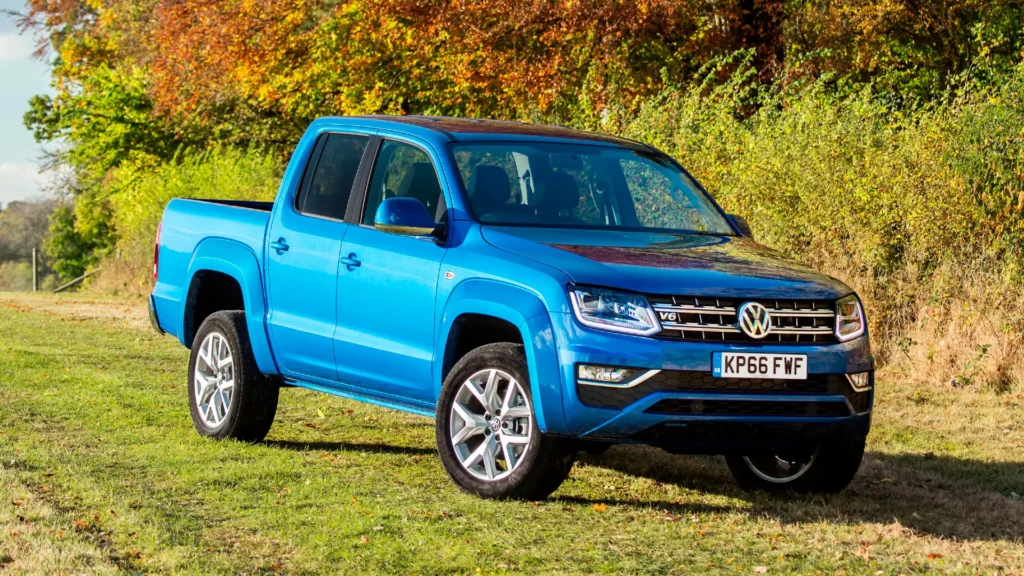
Models such as the Volkswagen Amarok — which tops the entire table — alongside the Mitsubishi L200 and Toyota Hilux all record notably low failure rates. In fact, the top five is made up entirely of pickups, with the Mercedes-Benz X-Class and Fiat Fullback also featuring high on the list.
Most pickups facing an MOT test are classed as commercial vehicles, but they tend to be newer, are often privately owned, and are frequently used less intensively than fleet vans.
That said, the data does reveal how pickup use affects the kind of failures, with towing, off-road driving and site work presumably resulting in higher brake wear and tyre damage, even if overall pass rates remain strong.
How long do vans typically last before failing an MOT?
One of the most interesting insights in the report is the average age at which different brands fail their first MOT.
On average, Volkswagen vans go more than 15 years before recording a first MOT failure, followed by Toyota at just under 12 years. Ford, Renault, and Peugeot all cluster around the 10–11-year mark.
At the other end of the scale, some manufacturers show much earlier first failures, with MAN vans making it to just three years before failing an MOT for the first time on average.
The lesson for operators
If there’s one clear message from 20 years of van and pickup MOT data, it’s this: most failures are avoidable.
Regular checks of handbrake operation, lights and bulbs, washer fluid levels, and tyre condition can dramatically reduce the risk of an unexpected fail and the downtime that comes with it.
For vans and pickups that earn their keep every day, a little preventative attention before MOT time can make the difference between a quick pass and a costly disruption.

- KGM gains new Stamford outlet as TC Harrison joins network - 27 August 2026
- Iveco eSuperJolly First Drive: Familiar van, different proposition - 13 August 2026
- Mercedes Vito Sport-X brings sporty makeover to Crew van range - 12 August 2026